Industrial gases play a critical — but often unseen — role in modern food processing and packaging. From preserving freshness to ensuring safety and efficiency, gases such as nitrogen, carbon dioxide, and oxygen are essential tools across the food supply chain.
One of the most common applications is modified atmosphere packaging (MAP). In this process, gases are used to replace the air inside food packaging, slowing spoilage and extending shelf life. Nitrogen is frequently used to displace oxygen, which helps prevent oxidation and bacterial growth in products like snack foods, baked goods, and prepared meals. Carbon dioxide, with its antimicrobial properties, is often used in combination with nitrogen for fresh meats, cheeses, and produce.
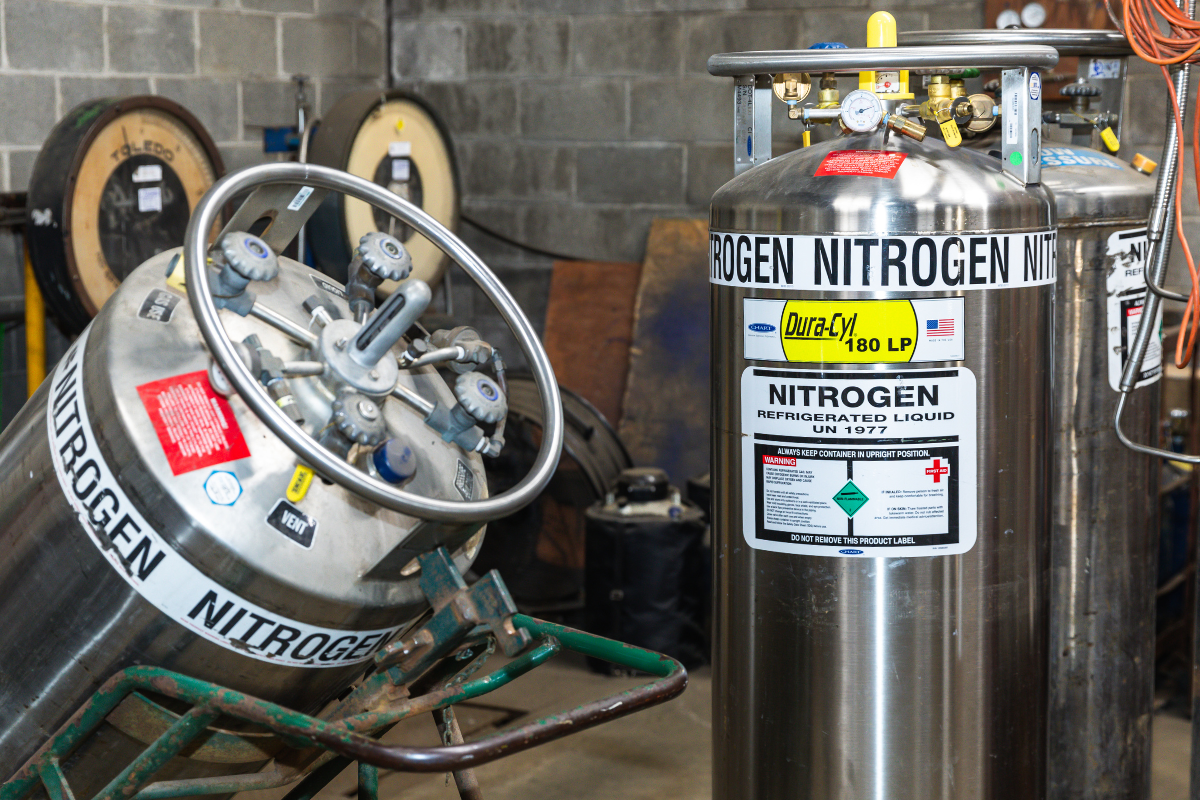
Industrial gases also play an important role during food processing itself. Liquid nitrogen and carbon dioxide are used for rapid chilling and freezing, which helps maintain texture, flavor, and nutritional value. Quick freezing minimizes ice crystal formation, preserving product integrity and reducing waste. These gases are also used for portion control, crust freezing, and temperature management during production.
Beyond preservation, gases contribute to food safety and quality control. Oxygen is sometimes reintroduced in controlled amounts to maintain the color of fresh meats, while carbon dioxide is used in sanitation and pH control processes. In beverage production, carbon dioxide and nitrogen ensure consistent carbonation and product stability.
From an operational perspective, industrial gases help food processors improve efficiency and scalability. Automated gas systems allow for precise control, consistent results, and reduced downtime. Properly designed supply systems also support regulatory compliance and traceability — key concerns in food manufacturing.
As consumer demand for fresh, high-quality products continues to grow, industrial gases remain a foundational component of food innovation. Though rarely seen by the end consumer, they quietly ensure the safety, consistency, and quality we expect from the foods we enjoy every day.