
Energy Efficiency in Industrial Gas Use

Short answer: Improving energy efficiency in industrial gas use reduces operating costs, minimizes waste, and supports sustainability — primarily through optimized systems, proper storage, and precise application control.

Industrial gases such as nitrogen, oxygen, argon, and carbon dioxide are essential to manufacturing, food processing, and advanced production. However, how these gases are stored, delivered, and used has a direct impact on overall energy efficiency.

Where Energy Loss Happens

Energy inefficiencies in gas systems often go unnoticed. Common sources include:

  • Leaks in piping or connections, leading to wasted gas and energy
  • Improper pressure settings, causing overuse or inconsistent performance
  • Outdated equipment, which may require more energy to maintain output
  • Frequent cylinder changeouts, increasing handling time and inefficiency

Even small inefficiencies can compound over time, especially in high-volume operations.

Strategies to Improve Efficiency

1. Optimize Gas Delivery Systems

Switching from individual cylinders to centralized or bulk systems can significantly improve efficiency. On-site systems provide consistent pressure and reduce interruptions, helping operations run more smoothly.

2. Monitor and Manage Usage

Modern gas systems often include digital monitoring and telemetry, allowing businesses to track usage patterns and detect irregularities. This data-driven approach helps identify inefficiencies early.

3. Maintain Proper Pressure and Flow

Using the correct pressure settings ensures gases are applied effectively without excess consumption. Over-pressurization not only wastes gas but can also impact product quality.

4. Prevent Leaks and Maintain Equipment

Routine inspections and preventative maintenance help eliminate leaks and ensure regulators, valves, and piping systems are functioning properly.

5. Choose the Right Gas for the Application

Selecting the appropriate gas or gas blend for a specific process improves efficiency and reduces unnecessary consumption.

Sustainability and Cost Benefits

Improving energy efficiency in gas use doesn’t just lower operational costs — it also reduces environmental impact. Efficient systems use fewer resources, generate less waste, and support compliance with sustainability goals.

The Bottom Line

Energy efficiency in industrial gas use comes down to system design, monitoring, and maintenance. Small improvements can lead to significant long-term savings and more reliable operations.

Partnering with an experienced provider like Irish Industrial Gases helps ensure your gas systems are optimized for both performance and efficiency.
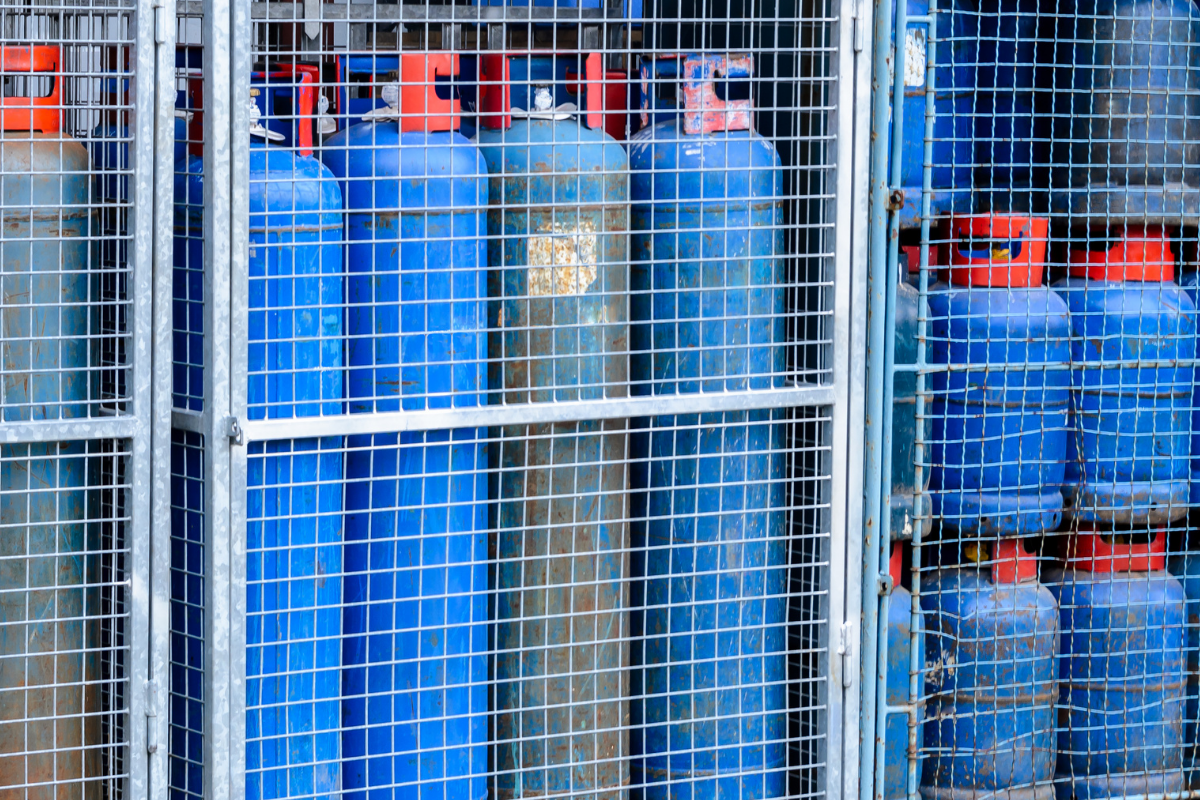

What Are Industrial Gases and How Are They Used?

Industrial gases are gases produced and supplied for use in a wide range of industrial, scientific, and commercial applications. While they are often invisible and easily overlooked, these gases are essential to many of the processes that support modern manufacturing, healthcare, food production, and technology.

Some of the most common industrial gases include oxygen, nitrogen, argon, carbon dioxide, hydrogen, and helium. Each gas has unique properties that make it valuable for specific applications. These gases are typically stored and transported in high-pressure cylinders, liquid bulk tanks, or on-site generation systems depending on the needs of the facility.

One major area where industrial gases are used is manufacturing and metal fabrication. Oxygen and acetylene are commonly used in cutting and welding processes, while gases like argon and nitrogen act as shielding gases that protect molten metal from reacting with oxygen in the air. This helps produce stronger welds and more precise cuts.

Industrial gases are also widely used in food and beverage production. Nitrogen and carbon dioxide help preserve freshness in modified atmosphere packaging (MAP), extend shelf life, and maintain product quality during storage and transportation. In beverage systems, gases are used to carbonate drinks and power draft dispensing systems.

In healthcare and laboratory environments, gases play an equally critical role. Oxygen is used for respiratory therapy, nitrogen is used for cryogenic freezing and sample preservation, and specialty gas mixtures are used in analytical testing and research.

Beyond these industries, industrial gases are essential in electronics manufacturing, energy production, chemical processing, and environmental monitoring. High-purity gases help maintain controlled environments and enable precision manufacturing processes that require extremely consistent conditions.

Reliable supply and proper system design are key to ensuring gases are delivered safely and efficiently. Partnering with experienced suppliers like Irish Industrial Gases helps businesses maintain consistent operations while meeting safety and quality standards.

Although they may go unnoticed in everyday life, industrial gases quietly support many of the products and technologies people rely on every day.

The Importance of Gas Purity in Industrial Applications

In many industrial processes, the quality of the gas being used can have a direct impact on product performance, manufacturing efficiency, and overall operational reliability. While gases such as nitrogen, oxygen, argon, and hydrogen may appear identical at first glance, their purity levels can vary significantly — and those differences matter.

Gas purity refers to the percentage of the desired gas present in a supply, as well as the absence of unwanted contaminants such as moisture, hydrocarbons, or particulate matter. In sensitive manufacturing environments, even trace impurities can interfere with processes and compromise final product quality.

For example, in metal fabrication and welding, high-purity shielding gases are essential for preventing oxidation during welding or cutting. Contaminants in the gas stream can weaken weld integrity, cause defects, or lead to costly rework. Similarly, in semiconductor and electronics manufacturing, ultra-high-purity gases are required to maintain clean production environments where microscopic variations can affect performance.

Gas purity also plays an important role in food and pharmaceutical production. In modified atmosphere packaging, nitrogen and carbon dioxide must meet strict purity standards to ensure food safety and product stability. In laboratories and research facilities, precise gas compositions are necessary to maintain accurate testing conditions.

Beyond product quality, purity affects equipment longevity and process stability. Contaminants such as moisture or particulate matter can damage valves, regulators, and distribution systems over time. Maintaining high purity standards helps reduce maintenance issues and ensures consistent system performance.

Achieving the correct purity level requires proper sourcing, storage, and delivery systems. Working with an experienced supplier like Irish Industrial Gases helps ensure gases are delivered with the purity specifications required for each application.

In industrial environments where precision matters, gas purity is not a minor detail — it is a foundational element of quality control. Ensuring the right gas purity protects processes, products, and the efficiency of the entire operation.

Innovations Shaping the Future of Industrial Gas Applications

Industrial gases have long been essential to manufacturing, healthcare, food production, and energy. That said, the way they are produced, delivered, and applied is evolving rapidly. Emerging technologies and smarter systems are transforming industrial gas applications, driving greater efficiency, sustainability, and precision.

One of the most significant advancements is digital monitoring and automation. Modern bulk gas systems increasingly incorporate remote tank monitoring, automated level sensors, and data-driven delivery scheduling. These technologies reduce the risk of supply interruptions, optimize refill timing, and minimize manual oversight — improving reliability while lowering operational costs.

Another major area of innovation is on-site gas generation. Instead of relying solely on delivered cylinders or bulk tanks, some facilities now use on-site nitrogen or oxygen generation systems. These systems separate gases from ambient air, providing continuous supply while reducing transportation needs and carbon footprint. For high-volume operations, on-site generation can enhance energy efficiency and supply security.

Sustainability is also shaping the future of industrial gases. Companies are investing in carbon capture, gas recycling, and cleaner production methods to reduce environmental impact. Improved purification processes and leak-detection technologies help minimize waste while maintaining high purity standards critical for advanced manufacturing.

In industries such as aerospace, electronics, and precision optics, innovations in high-purity gas delivery systems support tighter tolerances and more complex manufacturing processes. Advanced regulators, contamination control technologies, and cleanroom-compatible systems enable manufacturers to meet increasingly demanding performance standards.

Additionally, industrial gases are playing a growing role in emerging energy technologies, including hydrogen fuel systems and renewable energy storage solutions. As industries transition toward lower-carbon operations, gases like hydrogen and specialty blends are becoming integral to innovation across multiple sectors.

Partnering with a knowledgeable supplier like Irish Industrial Gases ensures access not only to reliable supply, but also to evolving technologies and system design expertise.

Industrial gases may be invisible, but the innovations shaping their use are highly visible in today’s most advanced operations. The future of manufacturing and industry will continue to be powered — quietly and efficiently — by smarter gas solutions.

Extra Small
Small
Medium
Large
Extra Large
Double XL