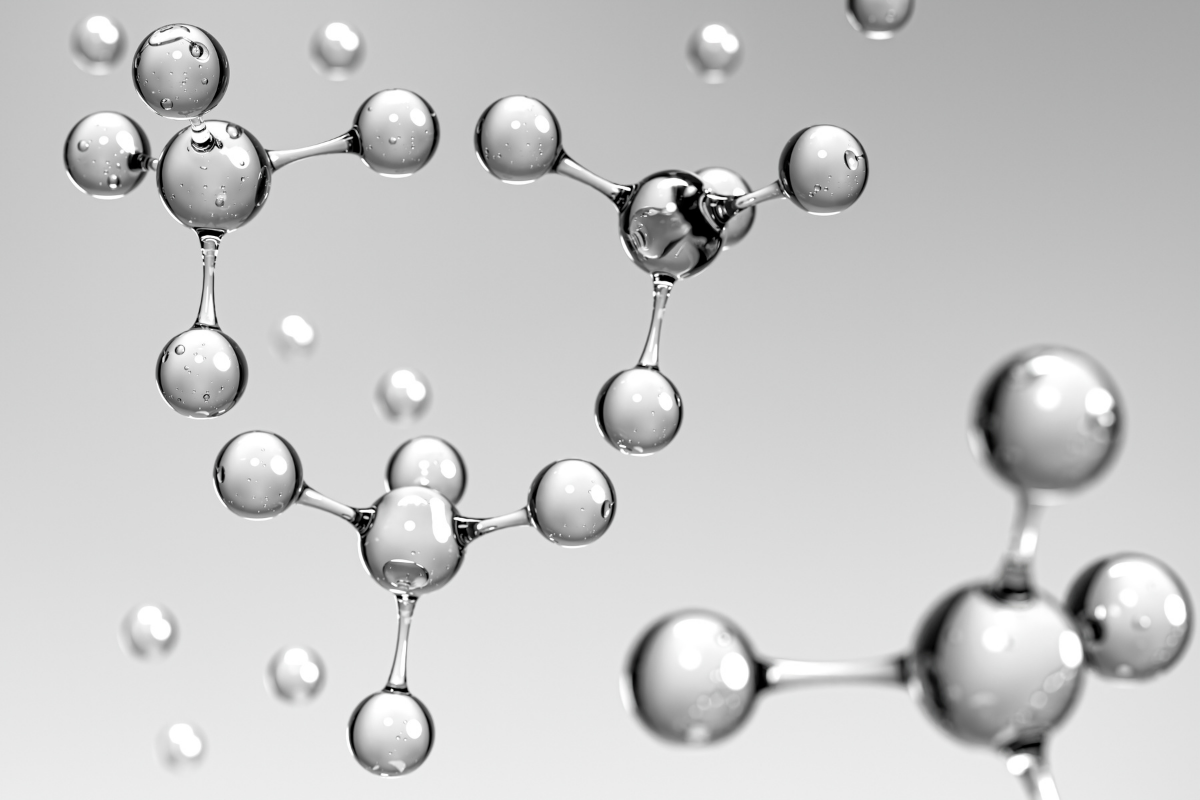
How Gas Purity Affects Operations

Short answer: Gas purity directly affects product quality, process consistency, equipment lifespan, and safety — making it a critical factor in industrial operations.

Industrial gases such as nitrogen, oxygen, argon, carbon dioxide, and hydrogen are used across manufacturing, food processing, healthcare, and advanced technologies. While these gases may seem uniform, their purity levels can vary, and even small amounts of contamination can have significant consequences.

What Is Gas Purity?

Gas purity refers to the percentage of the desired gas compared to impurities such as:

  • Moisture
  • Oxygen (in inert gas applications)
  • Hydrocarbons
  • Particulate matter

Higher purity means fewer contaminants and more predictable performance.

1. Protects Product Quality

In many industries, gas purity directly impacts the final product.

  • In metal fabrication, impure shielding gases can cause weak welds or surface defects.
  • In food packaging, contaminants can affect shelf life and safety.
  • In electronics and semiconductor manufacturing, even trace impurities can disrupt microscopic processes.

Maintaining proper purity ensures consistent, high-quality output.

2. Improves Process Consistency

Industrial processes rely on controlled environments. Variations in gas composition can lead to:

  • Inconsistent results between production runs
  • Fluctuations in temperature or chemical reactions
  • Reduced precision in sensitive applications

High-purity gases help maintain stable, repeatable conditions.

3. Extends Equipment Life

Contaminants like moisture or particulates can damage:

  • Regulators and valves
  • Piping systems
  • Sensitive instrumentation

Over time, this leads to increased maintenance costs and potential system failures. Clean, high-purity gas reduces wear and protects equipment.

4. Supports Safety and Compliance

Using the correct gas purity is often required to meet industry regulations and safety standards. Impurities can create unexpected reactions, increase corrosion risk, or compromise controlled environments.

5. Reduces Waste and Rework

When gas purity is compromised, defects and inconsistencies increase leading to:

  • Scrap materials
  • Rework
  • Production delays

Maintaining proper purity minimizes waste and improves overall efficiency.

The Bottom Line

Gas purity isn’t a minor specification, it’s a critical control point in industrial operations. The right purity level ensures quality, protects equipment, and keeps processes running efficiently.

Partnering with an experienced supplier like Irish Industrial Gases helps ensure your gas meets the exact specifications required for your application.
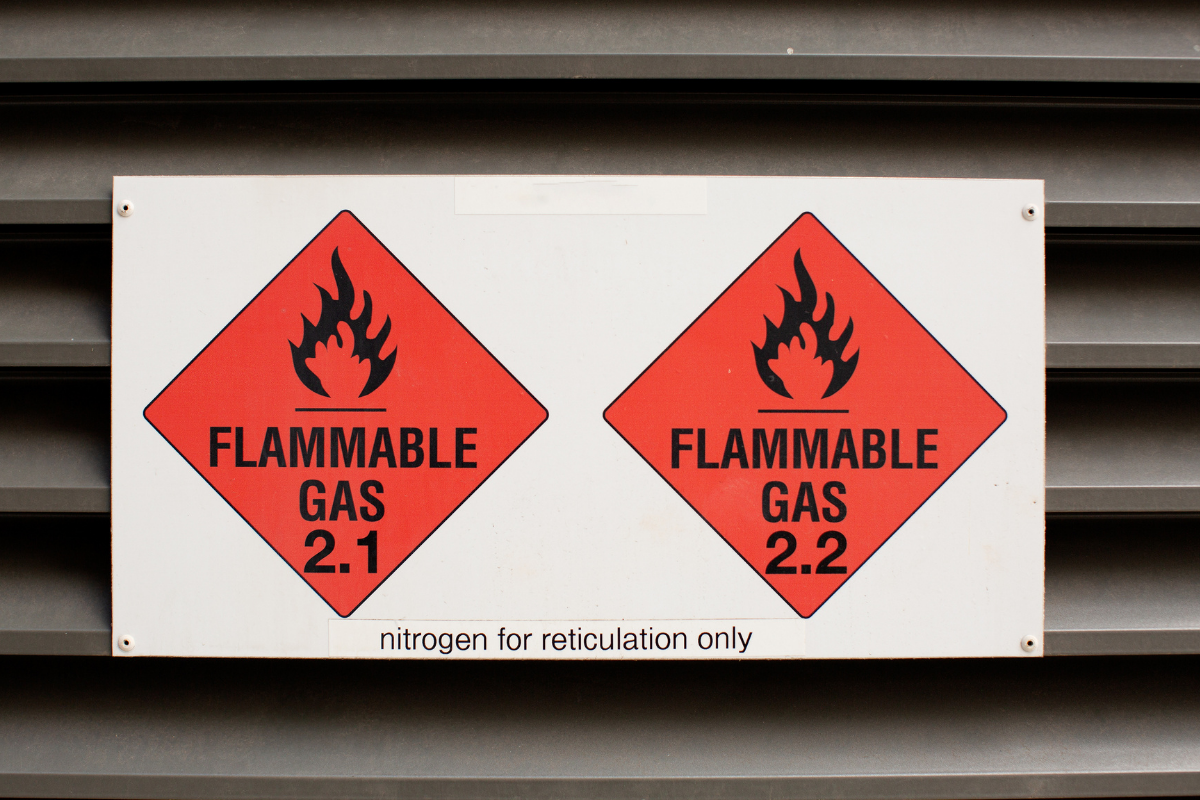
Essential Industrial Gas Safety Guidelines for the Workplace

Short answer: Safe industrial gas use depends on proper storage, clear labeling, correct equipment, leak prevention, ventilation, and employee training.

Industrial gases are essential in manufacturing, food processing, laboratories, healthcare, and maintenance operations, but they also introduce serious hazards if handled improperly. OSHA notes that compressed gases can create risks related to high pressure, oxygen displacement, fire, explosion, and toxic exposure, which is why special precautions are required in the workplace.

1. Store Cylinders Upright and Secure Them

Gas cylinders should be kept upright and secured so they cannot tip, fall, or be struck. OSHA and CGA both emphasize upright storage and stable restraint as basic safety requirements. Cylinders should also be kept away from heat sources, flames, and areas where they could become damaged.

2. Use Clear Labels and the Correct Equipment

Cylinders must be clearly marked so workers can identify the gas inside, and the correct regulator and outlet connections must always be used. Never modify fittings, valves, or cylinders to make equipment “fit.” Using the wrong regulator or tampering with connections increases the risk of leaks, equipment failure, and unsafe operation.

3. Inspect for Damage and Check for Leaks

Before use, employees should visually inspect cylinders, valves, hoses, and regulators for signs of wear, corrosion, or damage. OSHA requires employers to determine that cylinders are in safe condition through visual inspection, and CGA recommends regular leak checks using approved methods.

4. Move Cylinders Safely

Cylinders should be transported with appropriate carts or carriers — not rolled, dropped, or lifted by the valve cap. When moved by powered vehicles, they should be secured in a vertical position. Unless they are firmly secured on a carrier intended for that purpose, regulators should be removed and valve protection caps installed before movement.

5. Prioritize Ventilation and Training

Some gases, including carbon dioxide, can displace oxygen in enclosed spaces, so good ventilation and hazard awareness are essential. Workers should be trained to read labels and safety data sheets before use and to follow site-specific emergency procedures if a leak occurs.

The Bottom Line

Industrial gas safety is not just about compliance — it is about protecting people, equipment, and operations. A workplace built around proper storage, handling, inspection, and training is far better positioned to prevent incidents before they start. Partnering with an experienced supplier like Irish Industrial Gases helps reinforce those standards with the right products, systems, and guidance.

How Industrial Gases Are Produced, Stored, and Delivered

Short answer: Industrial gases are typically produced through air separation or chemical processes, stored under pressure or as cryogenic liquids, and delivered via cylinders, bulk tanks, or on-site systems depending on usage needs.

Industrial gases — such as nitrogen, oxygen, argon, carbon dioxide, and hydrogen — are essential across manufacturing, healthcare, food processing, and technology. Understanding how they are produced, stored, and delivered helps businesses make informed decisions about supply and efficiency.

How Industrial Gases Are Produced

Most industrial gases originate from air separation. Ambient air is compressed, cooled, and separated into its primary components:

  • Nitrogen (≈78%)
  • Oxygen (≈21%)
  • Argon (trace amounts)

This process is typically done using cryogenic distillation, where air is cooled to extremely low temperatures and separated based on each gas’s boiling point.

Other gases are produced through chemical processes:

  • Carbon dioxide (CO₂): captured as a byproduct of fermentation or industrial production
  • Hydrogen: produced through steam methane reforming or electrolysis

How Industrial Gases Are Stored

Storage depends on the gas type and volume requirements:

Compressed Gas Cylinders

Gases are stored at high pressure in steel or aluminum cylinders. This method is ideal for smaller-scale or intermittent use.

Cryogenic Liquid Storage

Gases like nitrogen, oxygen, and CO₂ can be cooled into liquid form and stored in insulated tanks. This allows large volumes to be stored efficiently in a smaller footprint.

On-Site Generation

Some facilities generate gases like nitrogen or oxygen on-site using specialized equipment, reducing the need for delivery.

How Industrial Gases Are Delivered

Delivery methods are tailored to usage levels and operational needs:

  • Cylinder delivery: Regular exchange of individual tanks
  • Bulk delivery: Scheduled refills of large on-site storage tanks
  • On-site systems: Continuous supply with minimal external delivery

Advanced systems may include remote monitoring and telemetry, allowing suppliers to track usage and schedule deliveries proactively.

The Bottom Line

Industrial gases move through a carefully controlled lifecycle — from production to storage to delivery — designed to ensure purity, safety, and reliability at every stage.

Partnering with an experienced supplier like Irish Industrial Gases ensures your operation receives the right gas, in the right form, at the right time.

Extra Small
Small
Medium
Large
Extra Large
Double XL