How Industrial Gases Support Precision Optics & Advanced Manufacturing

Precision optics and advanced manufacturing demand an extraordinary level of control. Whether producing lenses, coatings, semiconductors, or highly engineered components, even microscopic inconsistencies can impact performance. Industrial gases play a critical, though an often invisible, role in achieving the accuracy and repeatability these industries require.

One of the most important functions of industrial gases is environmental control. In cleanrooms and controlled manufacturing spaces, gases such as nitrogen are used to displace oxygen and moisture. This helps prevent oxidation, contamination, and particulate interference during sensitive processes like lens polishing, coating deposition, and semiconductor fabrication. Maintaining a stable, inert atmosphere protects both materials and finished products.

Industrial gases are also essential in coating and surface treatment processes. Optical coatings — used to enhance reflectivity, transmission, or durability — often rely on vacuum deposition techniques such as sputtering or chemical vapor deposition (CVD). Gases like argon, oxygen, and nitrogen are precisely introduced to control film thickness, adhesion, and optical properties. Consistency at this stage is vital, as even slight variations can affect clarity or performance.

In advanced manufacturing, gases support laser cutting, welding, and additive manufacturing. Nitrogen and argon are commonly used as shielding gases, protecting molten material from reacting with air. This results in cleaner cuts, stronger welds, and improved structural integrity — especially important for components used in aerospace, defense, medical devices, and optical systems.

Beyond production, industrial gases support quality control and testing. Helium, for example, is widely used for leak detection due to its small atomic size and stability. Detecting leaks at the microscopic level ensures reliability in sealed optical systems and high-performance assemblies.

Reliable gas supply and system design are just as important as the gases themselves. Working with an experienced local provider like Irish Industrial Gases ensures consistent purity, dependable delivery, and systems tailored to complex manufacturing environments.

In precision optics and advanced manufacturing, success depends on controlling the unseen. Industrial gases make that control possible — quietly enabling accuracy, innovation, and excellence.
The Role of Industrial Gases in Food Processing and Packaging

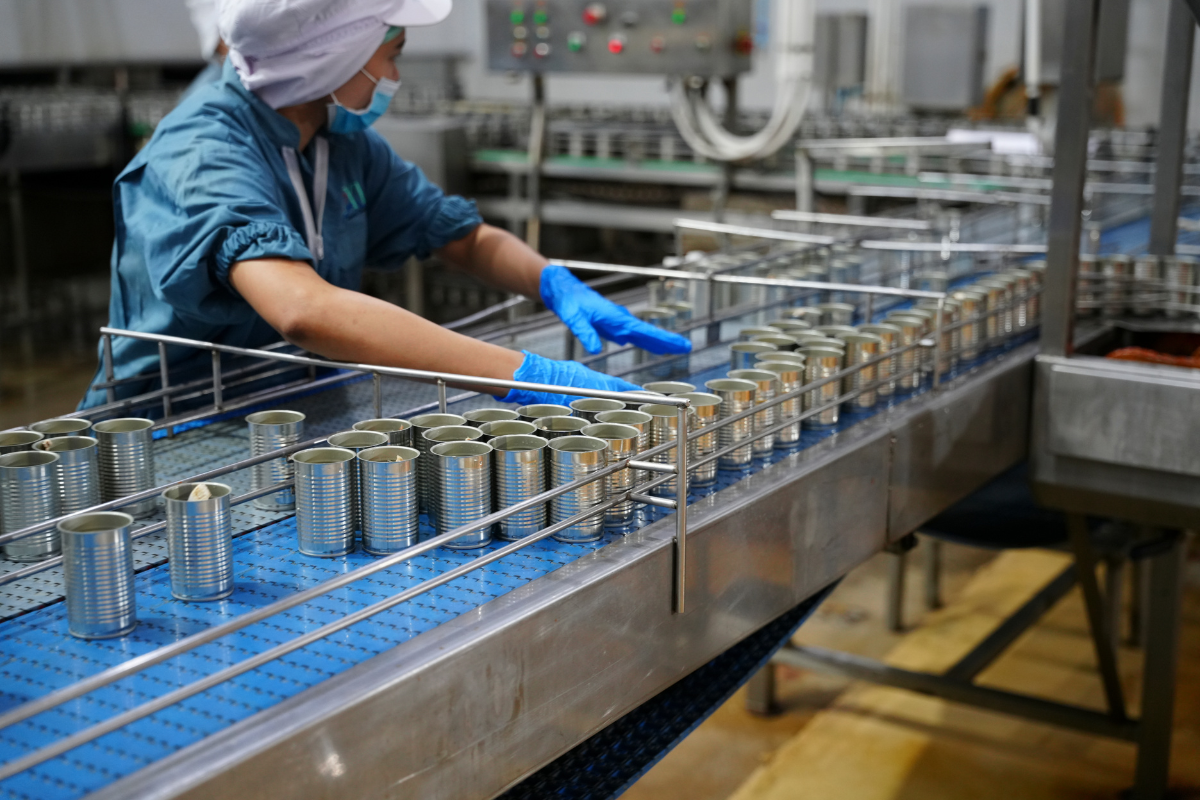
Industrial gases play a critical — but often unseen — role in modern food processing and packaging. From preserving freshness to ensuring safety and efficiency, gases such as nitrogen, carbon dioxide, and oxygen are essential tools across the food supply chain.

One of the most common applications is modified atmosphere packaging (MAP). In this process, gases are used to replace the air inside food packaging, slowing spoilage and extending shelf life. Nitrogen is frequently used to displace oxygen, which helps prevent oxidation and bacterial growth in products like snack foods, baked goods, and prepared meals. Carbon dioxide, with its antimicrobial properties, is often used in combination with nitrogen for fresh meats, cheeses, and produce.

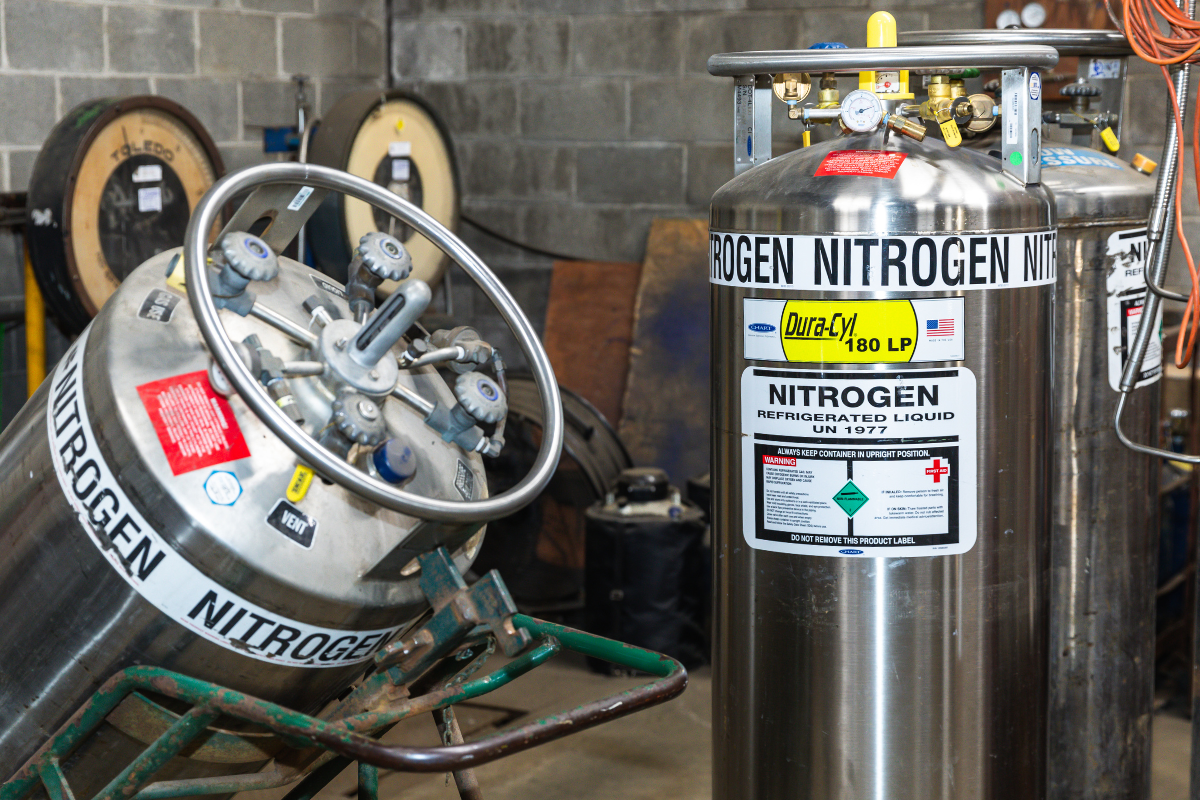
Industrial gases also play an important role during food processing itself. Liquid nitrogen and carbon dioxide are used for rapid chilling and freezing, which helps maintain texture, flavor, and nutritional value. Quick freezing minimizes ice crystal formation, preserving product integrity and reducing waste. These gases are also used for portion control, crust freezing, and temperature management during production.

Beyond preservation, gases contribute to food safety and quality control. Oxygen is sometimes reintroduced in controlled amounts to maintain the color of fresh meats, while carbon dioxide is used in sanitation and pH control processes. In beverage production, carbon dioxide and nitrogen ensure consistent carbonation and product stability.

From an operational perspective, industrial gases help food processors improve efficiency and scalability. Automated gas systems allow for precise control, consistent results, and reduced downtime. Properly designed supply systems also support regulatory compliance and traceability — key concerns in food manufacturing.

As consumer demand for fresh, high-quality products continues to grow, industrial gases remain a foundational component of food innovation. Though rarely seen by the end consumer, they quietly ensure the safety, consistency, and quality we expect from the foods we enjoy every day.

Compressed vs. Liquefied Gases: What’s the Difference?

Industrial gases play a vital role across manufacturing, food processing, healthcare, and research — but not all gases are stored or delivered the same way. One of the most common questions customers ask is: What’s the difference between compressed and liquefied gases?

Compressed gases are stored in cylinders at high pressure and remain in a gaseous state. Common examples include carbon dioxide, oxygen, nitrogen, argon, and hydrogen. These gases are ideal for applications requiring smaller volumes, intermittent use, or portability. Because compressed gases are delivered as-needed, they offer flexibility and are well suited for labs, welding operations, and maintenance work.

Liquefied gases, on the other hand, are gases that have been cooled to extremely low temperatures until they condense into a liquid. Examples include liquid nitrogen, liquid oxygen, and liquid carbon dioxide. Liquefied gases are stored in insulated cryogenic vessels and expand back into gas when warmed. This form allows significantly larger quantities of gas to be stored in a smaller footprint, making it ideal for high-volume or continuous-use operations.

So how do you choose the right option? The decision depends on several factors, including gas consumption rate, available space, safety considerations, and cost efficiency. Operations with steady, high demand often benefit from liquefied gas systems, while smaller or variable applications may be better served by compressed cylinders.

Understanding the difference ensures you’re not overpaying, under-supplying, or compromising safety. A knowledgeable gas supplier can help assess your operation and recommend the most efficient, reliable solution for your needs.

Extra Small
Small
Medium
Large
Extra Large
Double XL